2. third trophic level 3. secondary consumers 4. primary consumer 5. secondary or tertiary consumer 6. earthworms, beetles, small insects, bacteria, fungi 7. a model that shows the loss of energy from one trophic level to another 8. producers, such as plants 9. carnivores, such as great horned owls Illustrating Concepts Modelling a local ecosystem Page 19 1. Student should include 12 organisms.. pdf: Download File. Student Centre Practice your skills using the student centre link on the BC Science website. Click on the link below: BC Science 10. SAFETY & SCIENTIFIC METHOD. NOTES: WHIMIS Booklet:. 6.1 WORKBOOK ANSWER KEY: File Size: 332 kb: File Type: docx: Download File. pg. 259 #1 & #2 pg. 260 #1 & #2

BC Science Connections 10 Unit 1 DNA Is The Foundation For The Unity and Diversity of Living
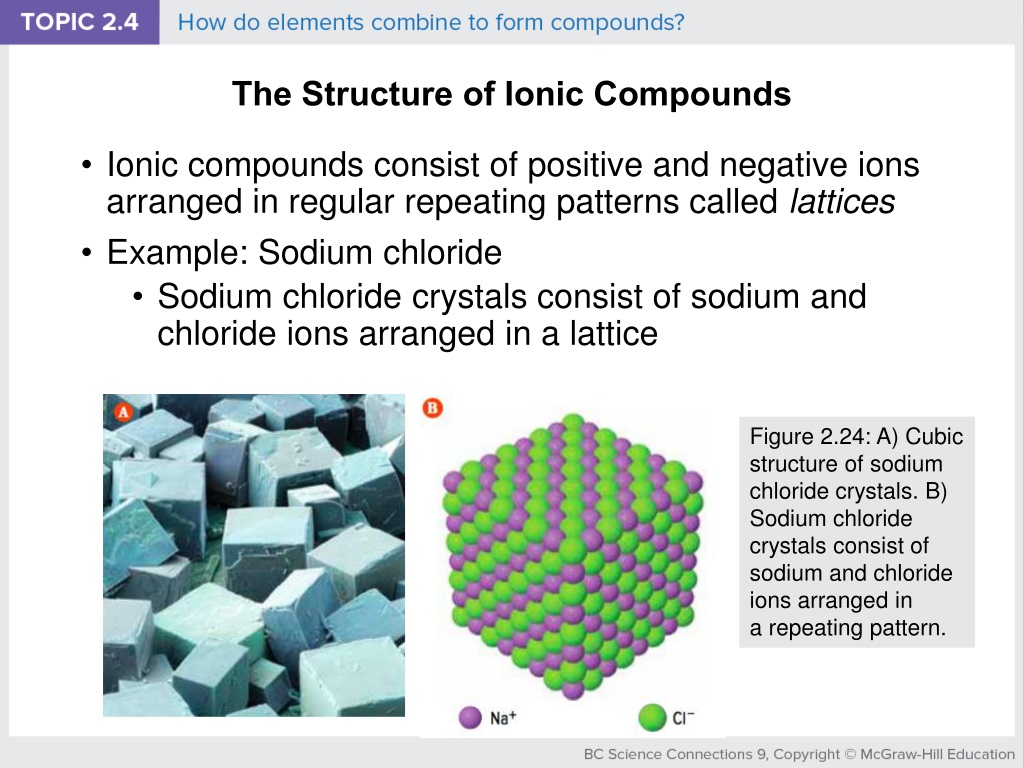
PPT BC Science Connections 9 Unit 2 The electron arrangement of atoms impacts their chemical

Unit 3 BC Science Connections 8 Diagram Quizlet

BC Science Connections ppt download

BC Science Probe 10 Workbook Nelson

Cambridge IGCSE™ Chemistry Workbook with Digital Access (2 Years) by Richard Harwood Goodreads

BC Science Connections Grade 10 Textbook Anchor Academic Services

Nelson Science Connections 10 (12 Month Online Subscription)
Bc Science 10 Connections Workbook Answers

BC Science Connections 9 Student Workbook Anchor Academic Services
.jpg)
BC Science Connections ppt download
BC Science Connections 8 UNIT 2 The behaviour

BC Science Connections ppt download

BC Science 9 Student Workbook by Briar Ballou
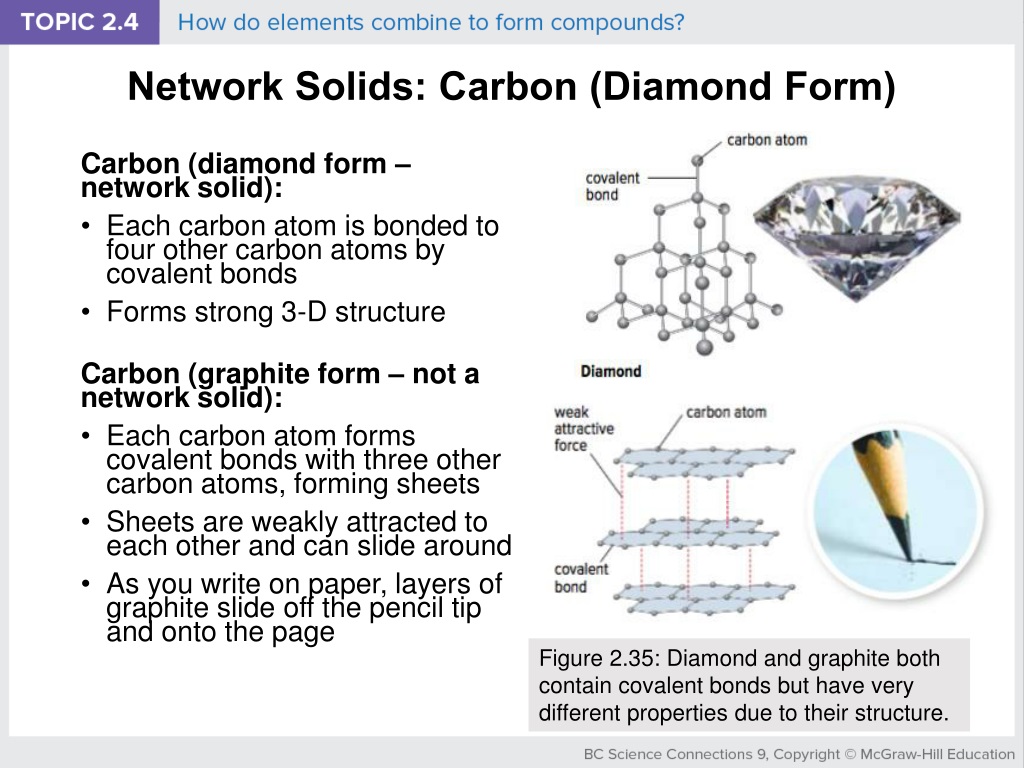
PPT BC Science Connections 9 Unit 2 The electron arrangement of atoms impacts their chemical
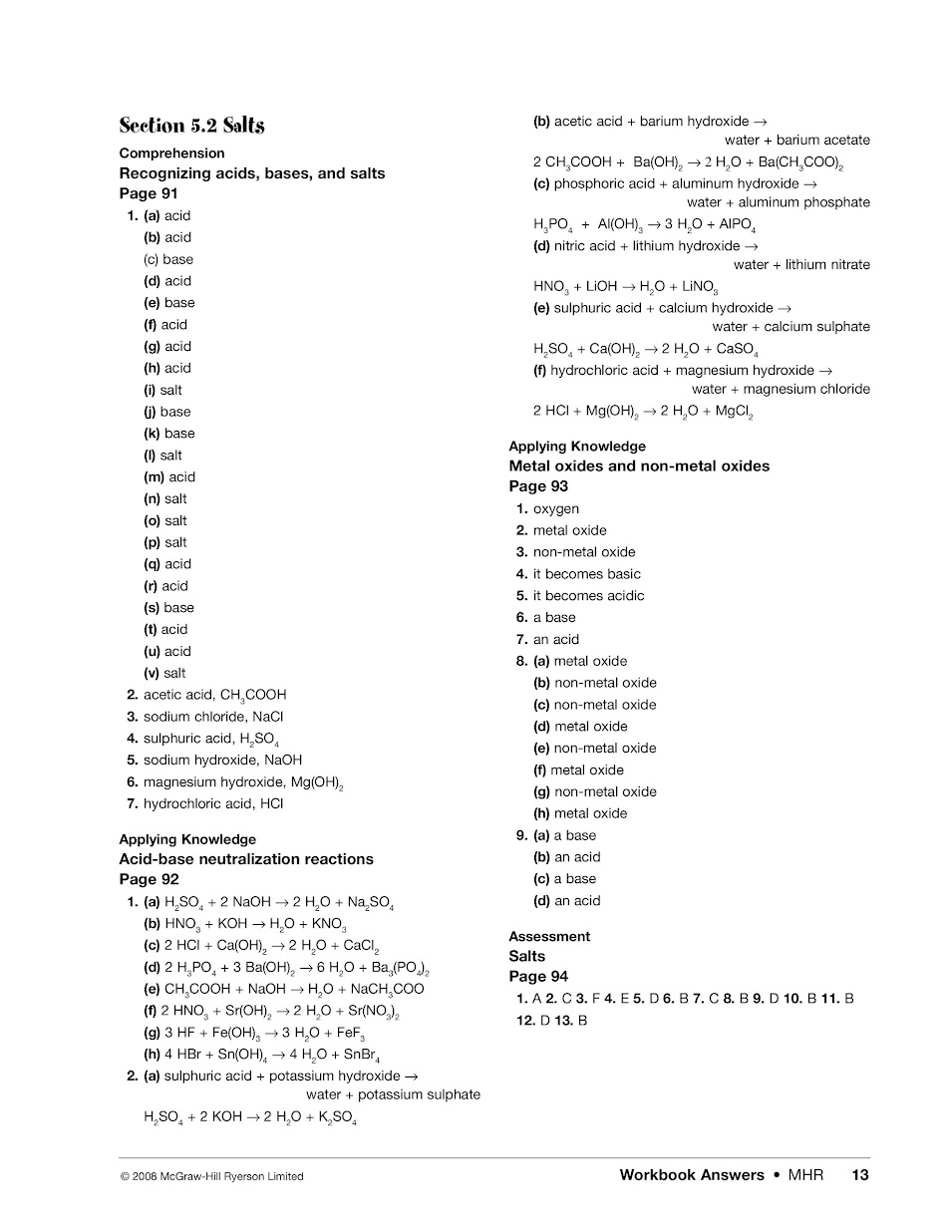
BC Science 10 Workbook Answers Answers (Images)

Bc Science 10 Workbook Answers
.jpg)
BC Science Connections ppt download
BC Science 7 Student Workbook Shop at Smarts

SOLUTION Cambridge Lower Secondary Science 9 workbook answers Studypool
What is the Home Version eBook of BC Science 10? To provide the ultimate in flexibility and function, the Home Version eBook provides users of BC Science 10 with the ability to download the BC Science 10 text in Adobe pdf form, section by section. This allows students, teachers and parents to easily access the textbook from any location.. Concept 1: Matter and energy interact in physical and chemical changes. • Energy is needed for everyday processes. • Reactants must collide with enough energy to break bonds for a chemical reaction to occur. Figure 2.16: Many common events at home require an input of energy. Concept 2: Energy is transferred between chemical reactions and.